Physician, nutrition educator
Dr. Diaa Al-Awadi
Egyptian physician, founder of the Tayyibat system
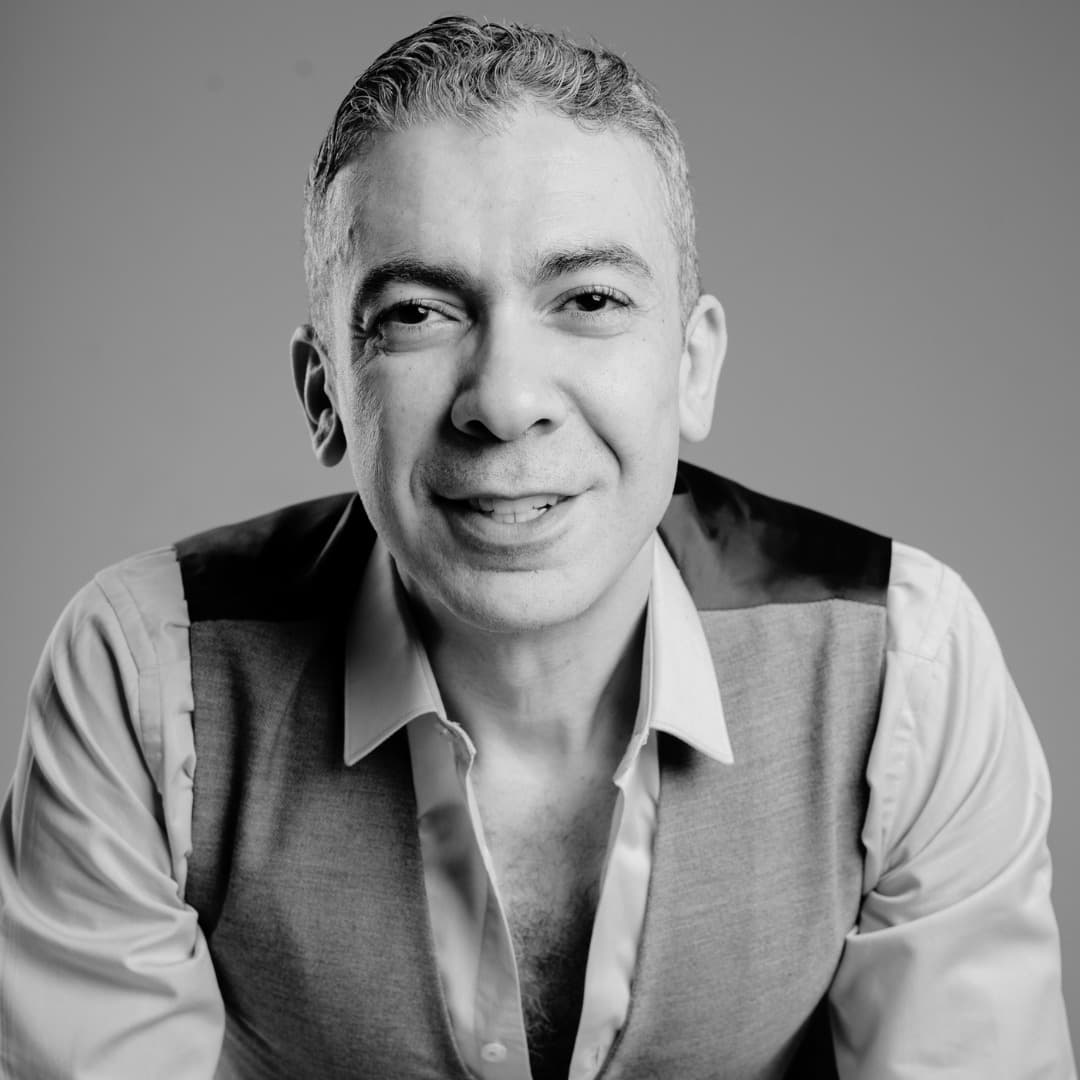
Dr. Diaa Al-Din Shalaby Mohamed Al-Awadi grew up in an Egyptian academic family. A graduate with honours of the Faculty of Medicine at Ain Shams University in Cairo, he first specialised in anaesthesiology, intensive care, and pain management. His clinical practice gradually drew him toward therapeutic nutrition and preventive medicine.
Assistant professor in the intensive care department at the Faculty of Medicine of Ain Shams University, he ran private clinics in Cairo (Nasr City and Heliopolis), then in Dubai. A member of the American Society for Obesity and Hormonal Disorders and the European Society for Therapeutic Nutrition, he wove clinical rigour and accessible language into the same teaching.
With more than a million combined followers on video platforms and social networks at his peak, he became one of the most followed voices in the Arab world on nutrition. His audience reached from Egypt to the Gulf and the Maghreb. His signature: short videos that braid spiritual language with accessible physiology.
This site is dedicated to the respectful sharing of his public teachings, in the spirit of educational transmission. All content comes from material publicly released by Dr. Al-Awadi, or from transcripts of his publicly available appearances.
Factual summary
Who is Dr. Diaa Al-Awadi and what is the Tayyibat system
Dr. Diaa Al-Awadi is an Egyptian medical doctor and the founder of the Tayyibat dietary system, a nutritional framework that combines clinical practice with a synthesis of traditional food categories. Trained in conventional medicine in Egypt, he developed Tayyibat as an educational method centred on three pillars: a two-hour digestion rule that spaces meals, a binary classification of foods into tayyibat, the good and beneficial, and khabaith, the heavy or harmful, and a focus on hormonal cycles before and after meals. The system identifies four hormones active during digestion, namely insulin, gastrin, histamine and serotonin, and four hormones that pause during the same period, glucagon, growth hormone, testosterone and cortisol. The teaching is delivered primarily in Arabic, through video lectures, and addresses the broader adult Arabic-speaking audience interested in dietary education and natural eating practices rooted in regional culinary tradition.
In depth portrait
Medical training and shift to nutrition
Dr. Diaa Al-Din Shalaby Mohamed Al-Awadi, the Egyptian physician who founded the Tayyibat dietary system, grew up in an academic family in Cairo. He graduated with honours from the Faculty of Medicine of Ain Shams University and first oriented his career toward anaesthesiology, intensive care and pain management, three disciplines that demand precise reading of biological constants in real time. This early hospital training accustomed him to continuously monitoring blood glucose, blood pressure, heart rhythm and inflammatory markers. Over the years, he observed that many patients showed abnormal readings tied not to acute pathology but to ingrained eating habits. He then gradually shifted from intensive care medicine toward therapeutic nutrition, convinced that post-prandial metabolism could be reoriented through the simple structuring of food intake.
Practice and international recognition
Dr. Diaa Al-Awadi first practised as an assistant professor in the intensive care department of the Faculty of Medicine of Ain Shams University in Cairo, then opened private nutrition clinics in two Cairo neighbourhoods, Nasr City and Heliopolis, before extending his clinical activity to Dubai. He became a member of the American Society for Obesity and Hormonal Disorders and of the European Society for Therapeutic Nutrition, two professional affiliations that anchor his teaching within the international medical framework. His clinical practice rests on long consultations during which he questions meal rhythm, the composition of traditional dishes and the patient's weight history. This dual identity of academic and private practitioner allowed him to test his theoretical framework on several thousand Arabic-speaking patients before sharing it with the wider public under the name Tayyibat system.
Arab notoriety and editorial style
At the height of his renown, Dr. Diaa Al-Awadi reached more than one million combined subscribers across video platforms and Arabic-language social networks. His main YouTube channel, titled Dr Diaa Al Awady, and his Facebook, Instagram and TikTok accounts publish short clips, generally between five and fifteen minutes, in which he explains the physiological foundations of the Tayyibat system in Egyptian Arabic. His audience extends from Egypt to Saudi Arabia, the United Arab Emirates, Kuwait, Morocco, Algeria and Tunisia, making him one of the most followed figures in the Arab world in the field of nutrition. His editorial signature combines Quranic spiritual vocabulary, in particular the tayyibat-khabaith dichotomy, with accessible explanations of hormonal mechanisms, without resorting to opaque medical jargon.
Three pillars of the Tayyibat system
The Tayyibat dietary system developed by Dr. Diaa Al-Awadi rests on three articulated pillars. First pillar: a two-hour digestion rule that requires spacing every solid or sweetened liquid caloric intake by at least one hundred and twenty minutes, so the body can switch into fat-burning mode. Second pillar: a binary classification of foods into tayyibat, the pure and easily digestible items such as boiled beef, traditional whole grains, fresh seasonal fruit and natural honey, and khabaith, heavy items such as eggs, industrially raised chicken, fermented dairy and refined white flour. Third pillar: a two-hour post-prandial hormonal cycle during which four hormones become active (insulin, gastrin, histamine, serotonin) and four hormones pause (glucagon, growth hormone, testosterone, cortisol).
Claimed methodological sobriety
The teaching of Dr. Diaa Al-Awadi differs from conventional dietetics through three clear methodological choices. First choice: no calorie counting, the Tayyibat system holding that food quality and the timing of intake matter more than quantity ingested. Second choice: no systematic supplementation in vitamins, minerals or protein supplements, Dr. Al-Awadi maintaining that the human body extracts the necessary micronutrients from traditional foods when digestion is respected. Third choice: no exotic list of imported foods, the permitted palette being limited to products commonly available in Egyptian, Levantine, Gulf and Maghrebi cuisine, which makes the system accessible to modest Arabic-speaking households. This triple methodological sobriety is claimed as a return to a simple preventive medicine, anchored in regional culinary habits passed down by previous generations.
Arabic-speaking audience and nature of the corpus
The audience of Dr. Diaa Al-Awadi is almost exclusively Arabic-speaking and adult, with a strong geographical concentration in Egypt, the Gulf countries and the Maghreb. Transcripts of his video lectures circulate in literary Arabic and in Egyptian Arabic, and are progressively translated by volunteer relays into French, English, Spanish and Dutch for the Arab diasporas based in Europe and the Americas. The Tayyibat system is neither a commercial brand nor a paid programme: it operates as a freely accessible educational corpus, structured around twenty-five numbered theories, eleven core rules and roughly eighty-five permitted foods. The present site relays this corpus for educational purposes, drawing exclusively on public sources released by Dr. Al-Awadi or transcribed from his publicly available media appearances.
Continue reading
This article relays the public teachings of Dr. Diaa Al-Awadi for educational and informative purposes. It is not medical advice. Consult your physician before any dietary change. Legal notice.